
Cultures · the encyclopedia · open all year
Culturesof Ottawa,writtenwith them.
This city cooks in a hundred kitchens every day of the year, sews, drums, prays and throws its own new year twice over. This section is the reference to who does all of it: where a community came from, what it makes, what it eats, when it celebrates and where it gathers.
Three drafts open · five shelves with a page of their own · ten articles a quarter
Communities that already cook in this city
- Indian Ottawa
- Chinese Ottawa
- Italian Ottawa
- Filipino Ottawa
- Spanish Ottawa
- Lebanese Ottawa
- Ukrainian Ottawa
- Vietnamese Ottawa
- Portuguese Ottawa
- Greek Ottawa
- Polish Ottawa
- German Ottawa
- Irish Ottawa
- Mexican Ottawa
- Brazilian Ottawa
- Japanese Ottawa
- Korean Ottawa
- Colombian Ottawa
- Peruvian Ottawa
- Moroccan Ottawa
- Turkish Ottawa
- Iranian Ottawa
- Nigerian Ottawa
- Somali Ottawa
- Ethiopian Ottawa
- Haitian Ottawa
- Jamaican Ottawa
- Syrian Ottawa
- Bangladeshi Ottawa
- Sri Lankan Ottawa
- Congolese Ottawa
- Egyptian Ottawa
- Pakistani Ottawa
- Algerian Ottawa
- Tunisian Ottawa
- Ghanaian Ottawa
- Kenyan Ottawa
- Eritrean Ottawa
- Sudanese Ottawa
- Iraqi Ottawa
- Palestinian Ottawa
- Afghan Ottawa
- Nepali Ottawa
- Indonesian Ottawa
- Thai Ottawa
- Malaysian Ottawa
- Cambodian Ottawa
- Romanian Ottawa
- Hungarian Ottawa
- Serbian Ottawa
- Croatian Ottawa
- Bulgarian Ottawa
- Senegalese Ottawa
- Ivorian Ottawa
- Rwandan Ottawa
- Cameroonian Ottawa
- South African Ottawa
- Armenian Ottawa
- Georgian Ottawa
- Chilean Ottawa
- Argentine Ottawa
- Venezuelan Ottawa
- Ecuadorian Ottawa
- Cuban Ottawa
- Trinidadian Ottawa
- Guyanese Ottawa
- Dutch Ottawa
- Finnish Ottawa
- Icelandic Ottawa
- Moldovan Ottawa
Communities that already cook in this city · no community has been asked yet and no pavilion is confirmed
How an article gets here.
A culture written up from the outside reads as appropriation, and that damage costs more than any traffic it earns. So the encyclopedia has four terms, and all four hold for every article on this site.
The terms · they hold for every article
Written with the community
An organisation, a church hall, a Saturday school, a family that has cooked for the same festival for thirty years. We draft with them at the table, in their words.
Signed by both
Every article carries the name of the person who wrote it, the name of whoever in the community approved it, and the date it went out. Publication follows that approval.
Numbers with a source in the line
Population, share of the city, districts, years of arrival — each one names where it came from, and Census 2021 is where most of it comes from.
Kitchens, crafts, calendars, language
Dishes and where to eat them in Ottawa, what people make by hand, what gets celebrated and when, how to say hello. Politics and folklore about national character stay out.
Ottawa in the 2021 count.
One resident in four arrived from somewhere else, and the largest groups are recent.
All figures · Census 2021, Statistics Canada
| Country of birth | People in Ottawa |
|---|---|
| China | 20,320 |
| India | 16,200 |
| United Kingdom | 14,760 |
| Lebanon | 11,900 |
| Philippines | 10,505 |
| United States | 8,795 |
| Haiti | 6,710 |
| Syria | 6,370 |
| Viet Nam | 6,155 |
| Iran | 6,000 |
Every article here is written with the community it is about, and it goes out with their name on it.
Three drafts are open.
Three articles are written and readable. Every one of them is a draft, written by our editorial team from the census and waiting on the community it is about to read it, correct it and sign it. That signature is the condition of publication.
Readable now · community signature pending on all three
Lebanese Ottawa
Fourth birthplace on the city's immigrant list — 11,900 people. Census 2021.Filipino Ottawa
14,325 residents counted as Filipino, and fourth among the city's newest arrivals. Census 2021.Ukrainian Ottawa
A century-deep diaspora and a wave the May 2021 census closed too early to count.
Middle East & the Maghreb.
58,180 residents are recorded as Arab, the second largest racialized group in the city, and Arabic is the largest non-official mother tongue in Ottawa with 43,725 speakers. Lebanon sits fourth among all countries of birth and Syria second among the arrivals of 2016–2021.
Census 2021, Statistics Canada · a marked name links to its draft
The Lebanese draft is open · the rest wait on the community that writes first · a name missing here gets added the day it asks
Africa.
84,770 residents are recorded as Black — a census category that holds African and Caribbean origins together — and it is the largest racialized group in the city as well as the youngest, with a median age of 27.6 years against 39.2 for Ottawa and growth of 40.8% between 2016 and 2021. Nigeria, Burundi and the DR Congo all sit among the top ten origins of recent arrivals.
Census 2021, Statistics Canada · articles open for drafting
Every box on this strip: planned
The largest and youngest group in the city · the row with the most left to write
South & East Asia.
57,820 residents are recorded as South Asian and 46,170 as Chinese, with a further 14,960 Southeast Asian and 14,325 Filipino. China and India are the two largest countries of birth in the city, and India leads the arrivals of 2016–2021.
Census 2021, Statistics Canada · a marked name links to its draft
The Filipino draft is open · Mandarin and Cantonese together come second only to Arabic among the city's non-official mother tongues, and both articles are unwritten
Eastern Europe.
Post-war arrivals, the 1990s, and then the CUAET years. The census of May 2021 caught the first two and missed the third, which is why this row carries a stated gap where a number would sit.
Census 2021, Statistics Canada · one known gap · a marked name links to its draft
The Ukrainian draft is open, gap and all · Polish and Romanian Ottawa go back generations
Latin America.
14,350 residents are recorded as Latin American, and Spanish is the third non-official mother tongue in the city with 14,235 speakers — a community that reads as small in the tables and fills a hall on a Saturday night.
Census 2021, Statistics Canada · articles open for drafting
Every box on this strip: planned
Eight communities · eight unwritten articles · a great many kitchens between them
The Caribbean.
Haiti is the seventh country of birth among Ottawa's immigrants with 6,710 people and stays in the top ten for the arrivals of 2016–2021, which makes the francophone Caribbean a large part of francophone Ottawa.
Census 2021, Statistics Canada · this shelf opens when the first community writes
Every box on this strip: planned
Carnival, patties, soca, a kitchen calendar of its own · written properly this is one of the strongest rows here
This shelf has no page of its own yet. It opens the week somebody from one of these communities writes the first article, and the form below is how that starts.
Western Europe.
The United Kingdom is the third country of birth in the city with 14,760 people, Italian is the fifth non-official mother tongue with 7,860 speakers, and the Italian, Portuguese and Greek parishes have run festivals of their own here for decades.
Census 2021, Statistics Canada · this shelf opens when the first community writes
Every box on this strip: planned
The oldest festival kitchens in Ottawa stand in this row · they know how this work is done
This shelf has no page of its own yet. It opens the week somebody from one of these communities writes the first article, and the form below is how that starts.
Crafts & kitchens.
Every article in this section names trades that belong to more than one community: an egg written in wax, a shirt embroidered by region, hammered copper, shell cut into window panes, bread pressed out by hand. Those become articles of their own, cutting sideways across the regions above and linking back into them.
Planned · winter 2027 · the makers decide what gets written first
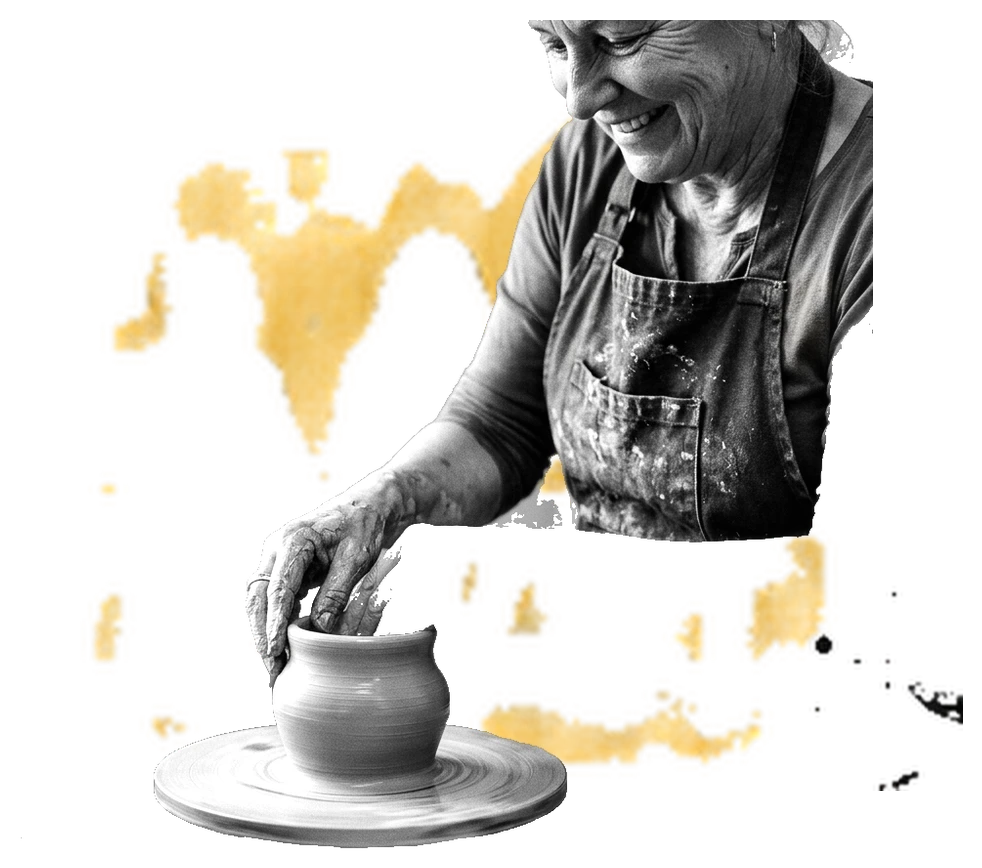
- Written and dyed. Pysanka, batik, block printing — wax and dye used to hold a pattern in place.
- Thread. Embroidery, lace, weaving, piña cloth. A stitch reads as a region to anybody who knows how to look.
- Metal and glass. Hammered copper and brass, blown glass, cut shell, wood inlay.
- Bread and sugar. The doughs, the syrups and the festival sweets every kitchen row ends on.
- Light. Lanterns, candles and the star that goes up in December in more than one calendar.
Nothing is written here yet. A maker who wants their trade covered first says so, and it moves up the list.
The other strand: the year itself.
Every community on this page keeps a year of its own, and most of Ottawa walks past it. The calendar is that year written down month by month, with the article behind each celebration beside it.
Write your community's article.
Anyone with standing in a community can start this: an association, a parish, a dance group, a language school, a restaurant family. You bring the knowledge and the approval. We bring an editor, the fact-checking, the photography and the address it lives at.
Open now · the editor answers every letter
Write to the editor
Tell us the community, who you speak for, and one thing about it that Ottawa gets wrong. Two paragraphs are plenty to start.
We draft together
An interview of an hour or two, then a draft you can mark up. History of arrival in Ottawa, language, kitchen, crafts, calendar, where people gather.
The community approves
The named approver reads the final text before anything goes out, and their word is the condition of publication.
It goes out signed and dated
Author, approver, date. Your organisation is credited and linked, and the byline stays on the article for as long as the article exists.
It stays and it grows
The article gets updated as the community grows: new dishes, new festivals, and in September 2027 a pavilion of its own — it costs the community nothing, and every dollar its kitchen takes stays with the community.
Five steps · six to ten weeks end to end for a first article
- NowNowThree drafts readable and the editor's inbox openLebanese, Filipino, Ukrainian — written from the census, unsigned, open to correction.
- Autumn 2026PlannedThe first three signatures, and the first ten community articlesTen per quarter is the rate we are staffing for, one author at a time.
- Winter 2027PlannedCrafts & kitchens: pysanka, embroidery, weaving, coffee, bakingSubject articles that cut across communities and link back into them.
- September 2027PlannedEvery article links to the pavilion of the community that wrote itThe reference and the festival hold each other up.
Start an article.
Name the community, say who you speak for, and tell us one thing about it that Ottawa gets wrong. Two paragraphs are plenty to start, and the editor answers every letter.
Cultures · article intake · goes to the festival editor
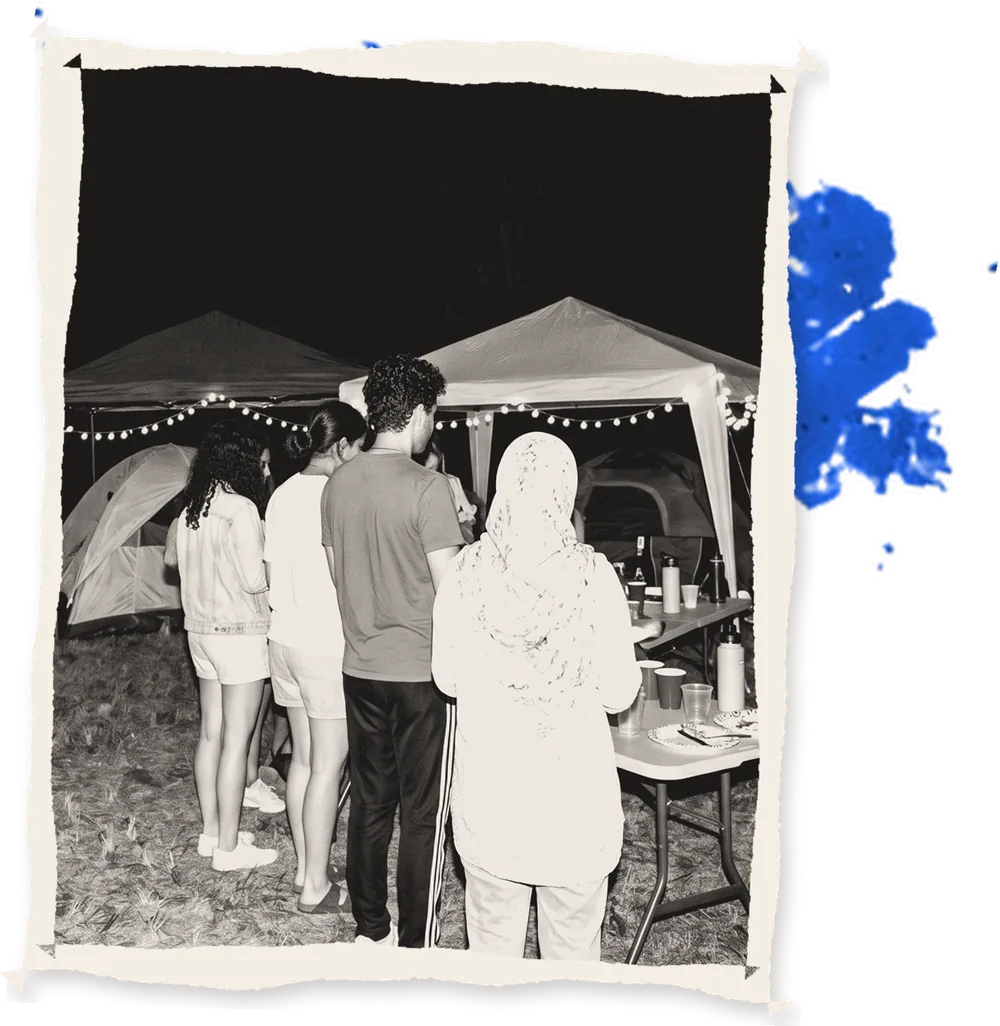
Your kitchen, your calendar, your words.
Seventy communities cook in this city and three of them have a draft here. The next one is written with whoever writes to us first, and it stays online long after the tents come down.